Analyzing Regulatory Shifts in Self-Limiting Tools Across Multi-Table Casino Variants
Ines Baumann · Oct 10, 2026

Analyzing Regulatory Shifts in Self-Limiting Tools Across Multi-Table Casino Variants
Regulatory frameworks governing self-limiting tools have undergone notable adjustments in multiple jurisdictions, particularly where operators manage multi-table casino variants that combine poker, blackjack, roulette, and other table games on single platforms. These tools encompass deposit caps, session timers, loss thresholds, and cooling-off periods that players activate to control their activity across simultaneous tables.
Current Landscape of Self-Limiting Mechanisms
Operators in regulated markets deploy these features through integrated software that tracks activity across separate game instances, and data from licensing bodies shows increased standardization of mandatory minimum settings. In Canada, provincial regulators have aligned certain parameters so that limits set in one variant apply automatically to others when a player opens additional tables. Research from the Canadian Centre on Substance Use and Addiction indicates that synchronized limits reduce instances of players exceeding self-imposed boundaries by coordinating controls across concurrent sessions.
European markets have followed similar patterns yet with distinct timelines. Several member states updated their technical standards during 2025, requiring that multi-table interfaces display remaining limit balances in real time regardless of how many tables remain open. This adjustment stems from audits revealing that fragmented displays allowed players to overlook cumulative spending when switching between variants.
North American Developments and Data Trends
State-level changes in the United States have focused on interoperability. Nevada and New Jersey regulators now require operators to share limit data across different game types when accounts link multiple tables, and compliance reports filed in early 2026 document a measurable drop in voluntary overrides after these rules took effect. Observers note that the shift coincides with broader responsible gaming initiatives that emphasize consistent application of tools rather than variant-specific options.
Australian frameworks provide another reference point. The National Consumer Protection Framework has prompted updates to session-limit functionality so that time-based restrictions persist across table variants even after a player logs out and rejoins. Figures released by state gaming authorities show higher adherence rates when limits operate uniformly rather than resetting per game type.
Implementation Challenges in Multi-Table Environments
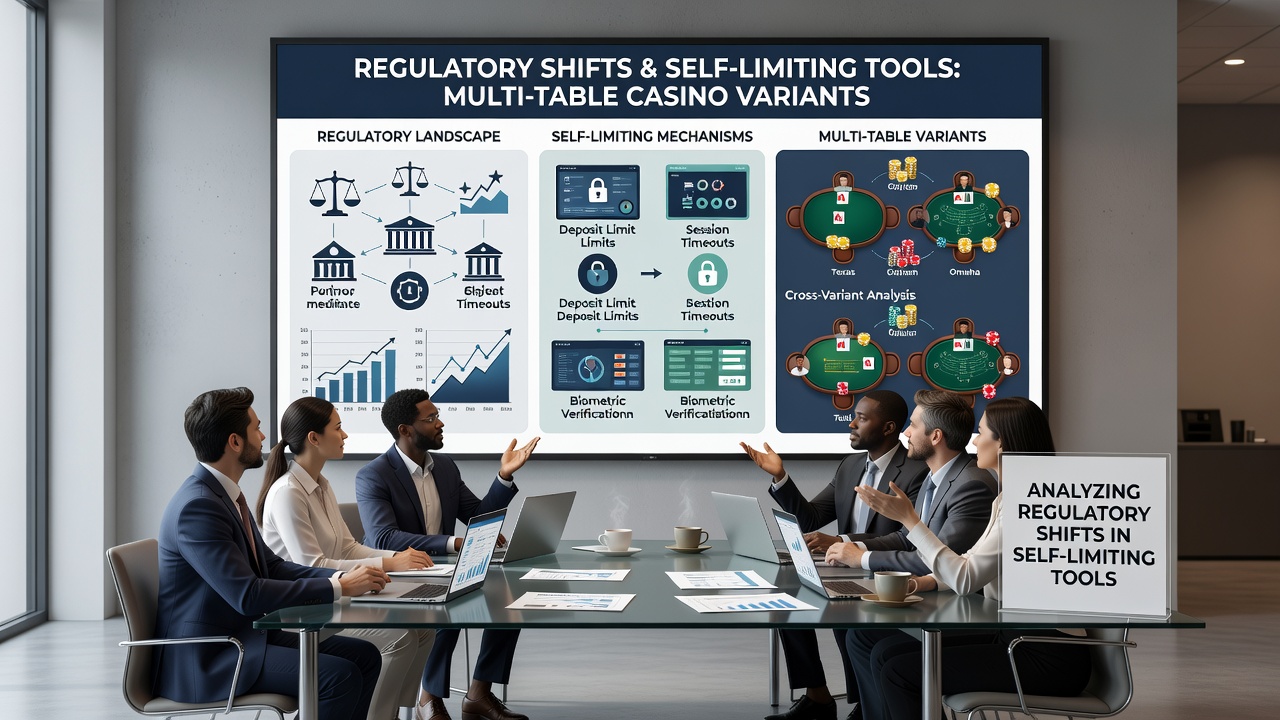
Technical integration presents ongoing hurdles because multi-table setups demand real-time synchronization between separate game engines and a central player account system. Operators report that legacy platforms required substantial backend modifications to ensure a single deposit limit covers activity spread across five or more simultaneous tables. Those modifications include API updates that push limit status to every open window without introducing latency that could disrupt gameplay.
Testing protocols have also evolved. Regulators in several Canadian provinces now mandate simulated multi-table scenarios during certification, where automated scripts attempt to bypass limits by opening parallel sessions. Results from these tests, shared in industry briefings, confirm that properly configured systems block such attempts while maintaining game speed.
Anticipated Changes Around October 2026
Further refinements are scheduled for October 2026 in select markets. Ontario and several European jurisdictions plan to introduce requirements for dynamic limit adjustments based on aggregate time spent across all variants rather than isolated sessions. The new rules will oblige platforms to calculate total exposure continuously and prompt users when combined activity approaches preset thresholds. Preliminary guidance documents indicate that these prompts must appear on every active table interface to prevent oversight during rapid table switching.
Academic reviews of pilot programs in smaller regulated markets suggest the October measures could standardize reporting formats used by operators when submitting compliance data. Standardized fields would cover the number of limits set, frequency of adjustments, and instances where players reached but did not exceed their caps.
Cross-Jurisdictional Comparisons
Comparative analyses highlight differences in enforcement emphasis. Canadian provinces prioritize automatic enforcement once a limit activates, whereas Australian states place greater weight on player-initiated reviews at fixed intervals. Both approaches rely on centralized account management to track activity across multiple tables, yet the technical specifications for data exchange vary according to local licensing conditions.
Industry associations have compiled summaries of these variations to assist operators expanding into new regions. The summaries list required minimum settings for deposit, loss, and time limits, along with specifications for how those settings interact when players engage several variants concurrently.
Conclusion
Regulatory shifts continue to shape how self-limiting tools function within multi-table casino environments, with emphasis on synchronization, real-time visibility, and consistent application across variants. Updates planned for October 2026 aim to refine these mechanisms further by incorporating aggregate activity metrics and standardized reporting. Data from licensing authorities and research institutions demonstrate measurable effects on player behavior when limits operate uniformly rather than in isolation. Operators and regulators alike track these developments through ongoing compliance reviews and technical certifications.